


Advancing Agricultural Circularity

Closing The Loop Together

About The Programe

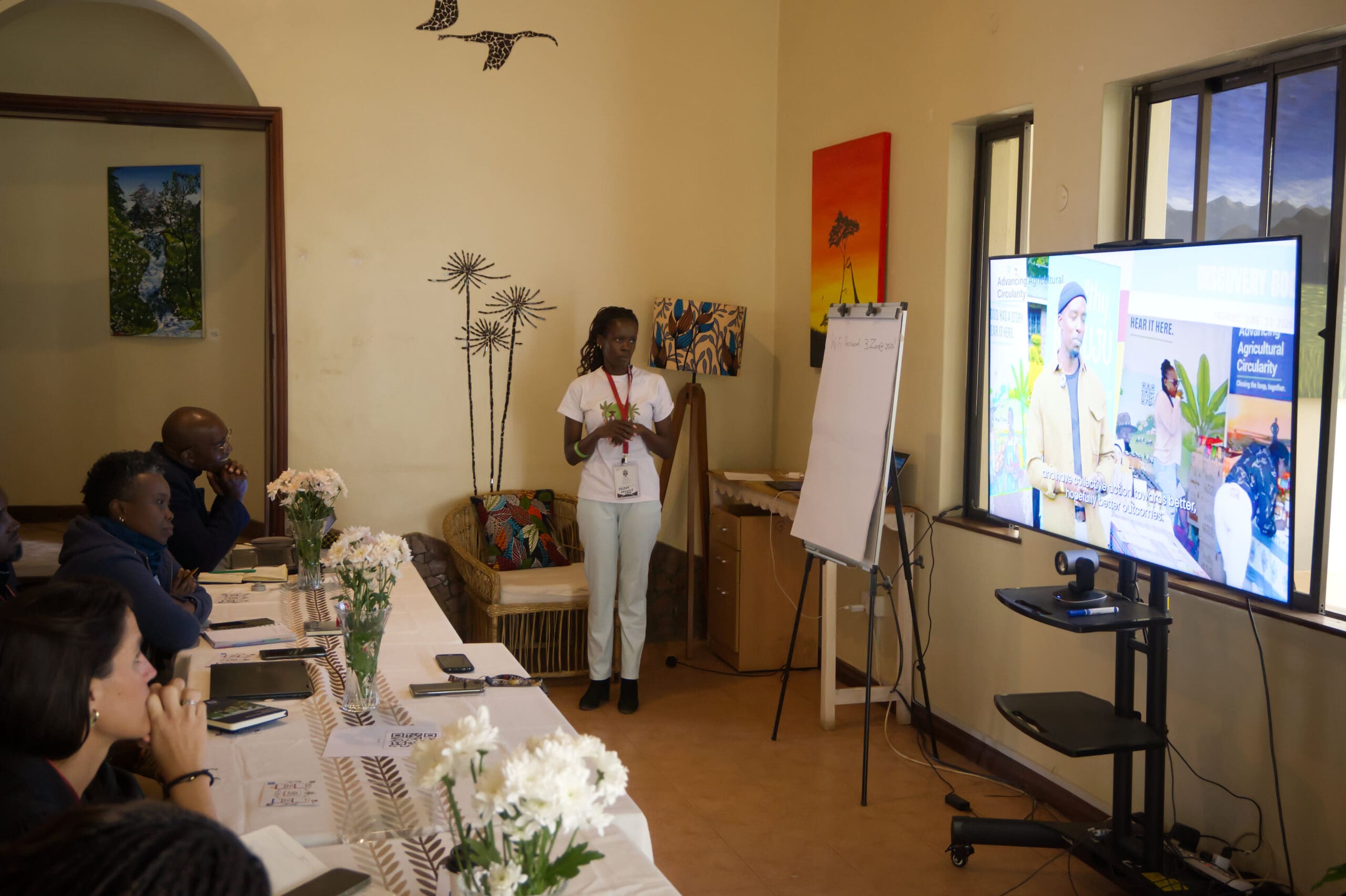
Advancing Agricultural Circularity (AAC) is a multi-stakeholder programme shifting Kenya’s agri-food system toward regenerative and circular models. We bring together ecosystem actors to strengthen extension pathways, test knowledge and solutions with real farmers and consumers, and build demand for circular agriculture. Through a continuous cycle of learning, application, connection, and scaling, knowledge is tested at the farm level, carried through trusted intermediaries, adapted by farmers, reinforced through ecosystem exchange, and made visible in the market.

Live-In
Lab

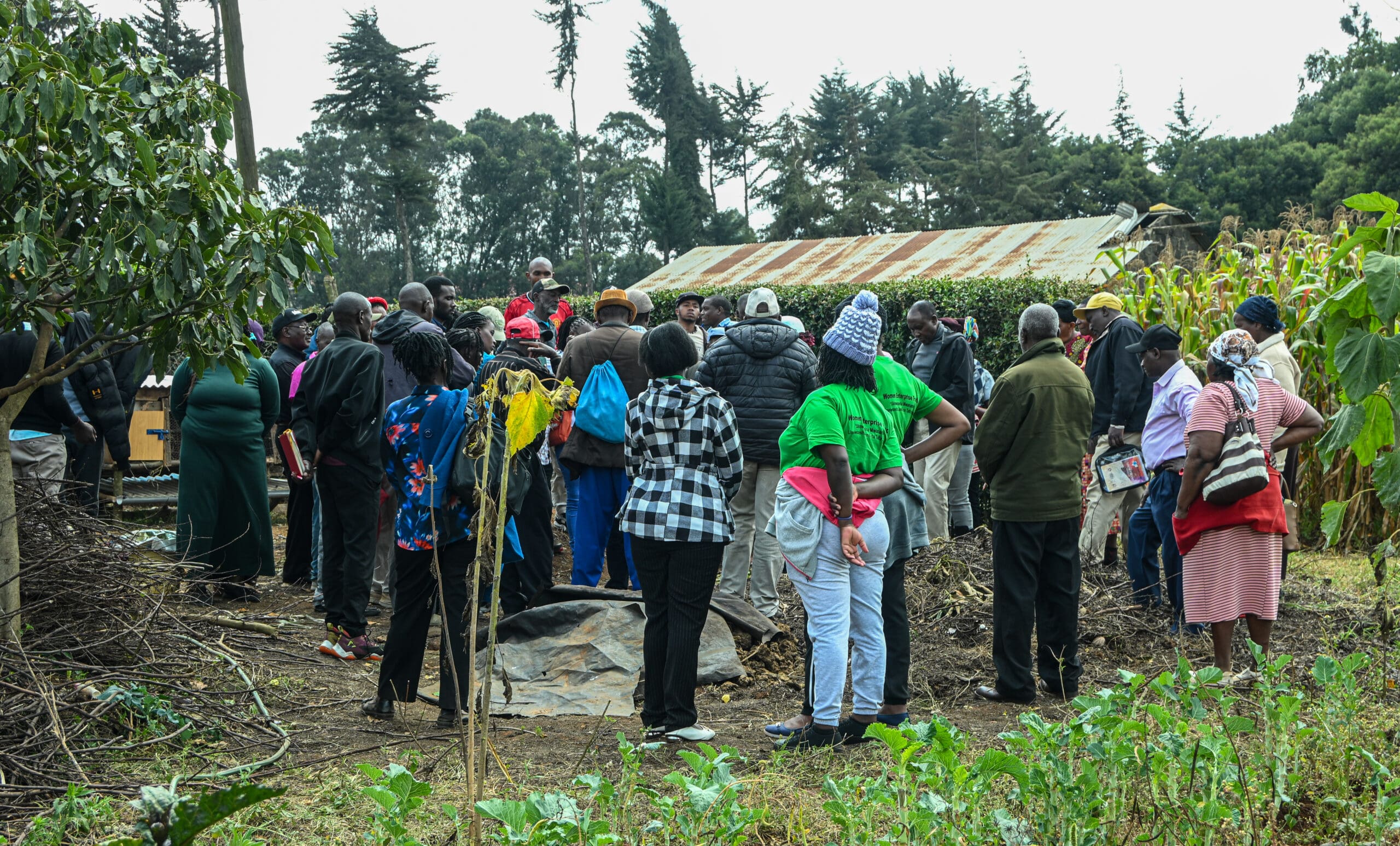
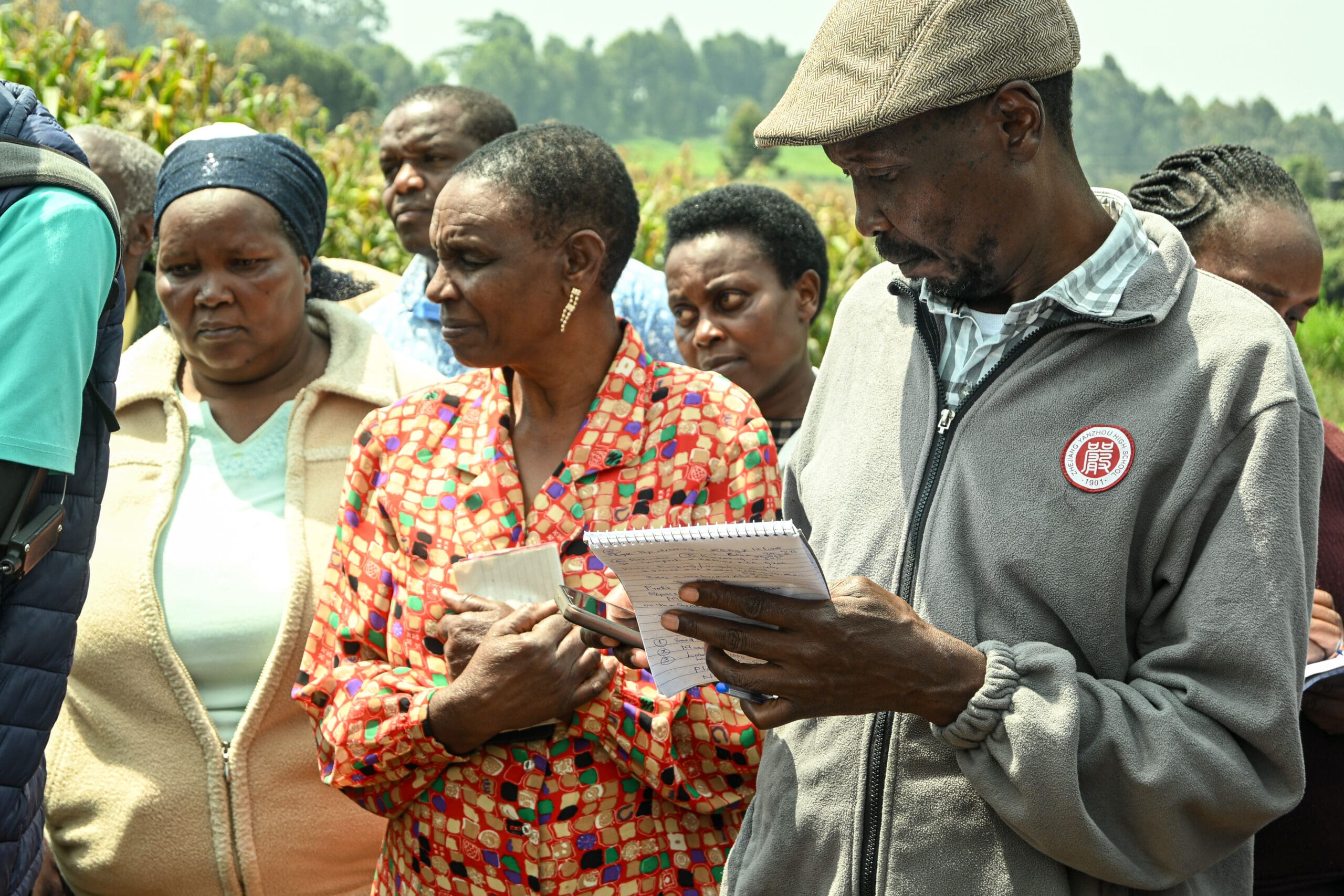
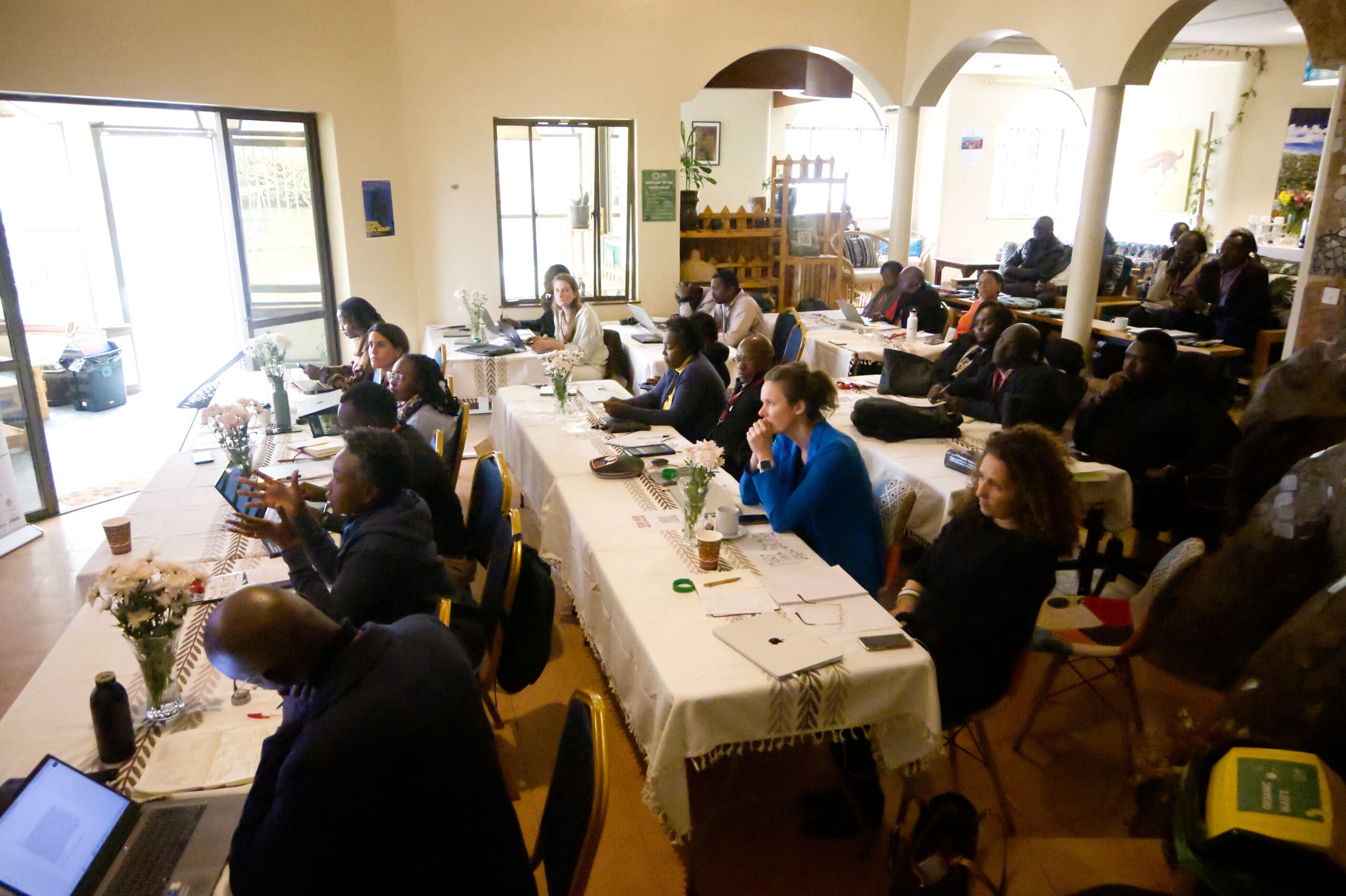
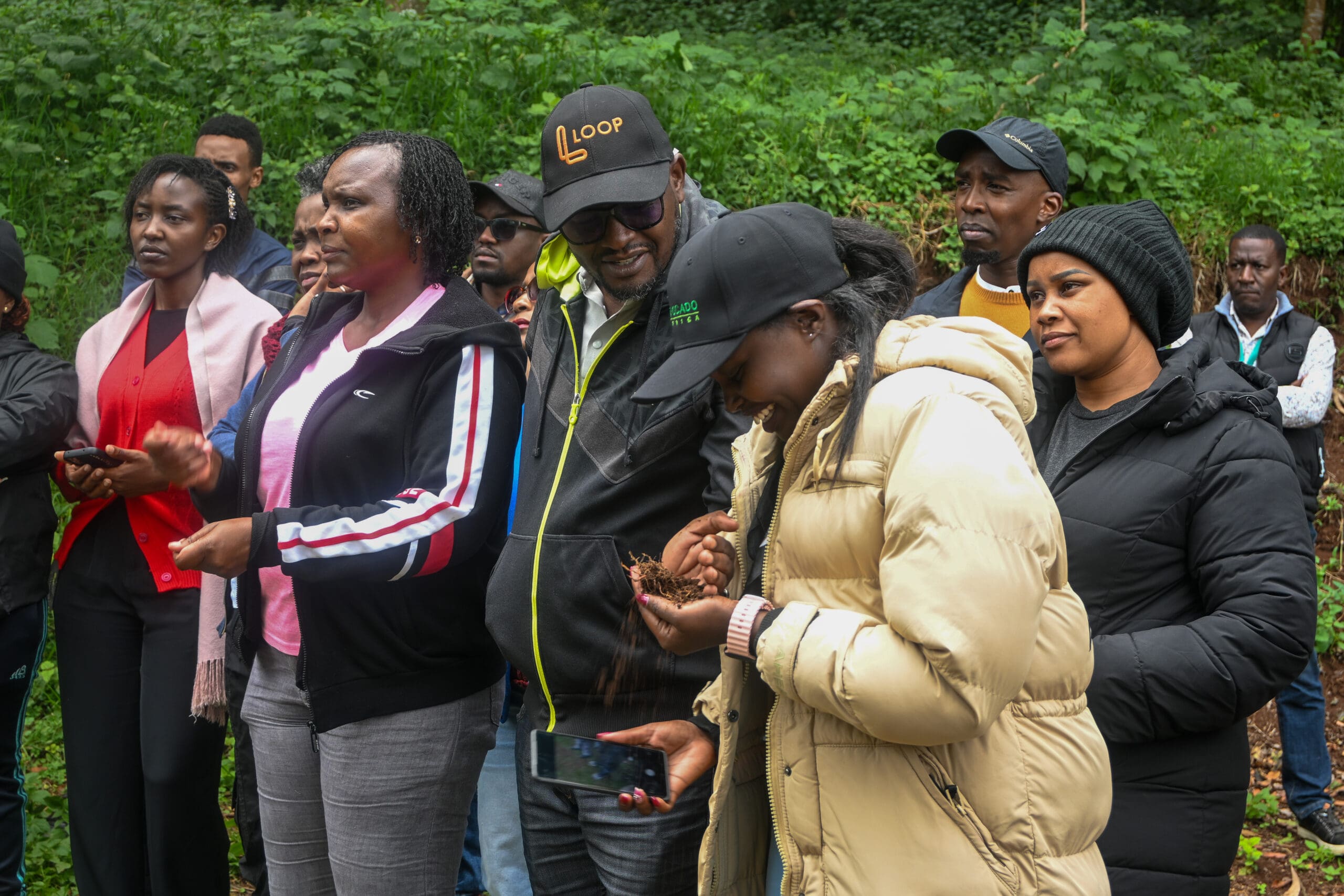
Extension officers encounter practical, farm-tested regenerative methods at Sylvia’s Basket Farm, then carry that knowledge into communities.

Farmer
Trainings

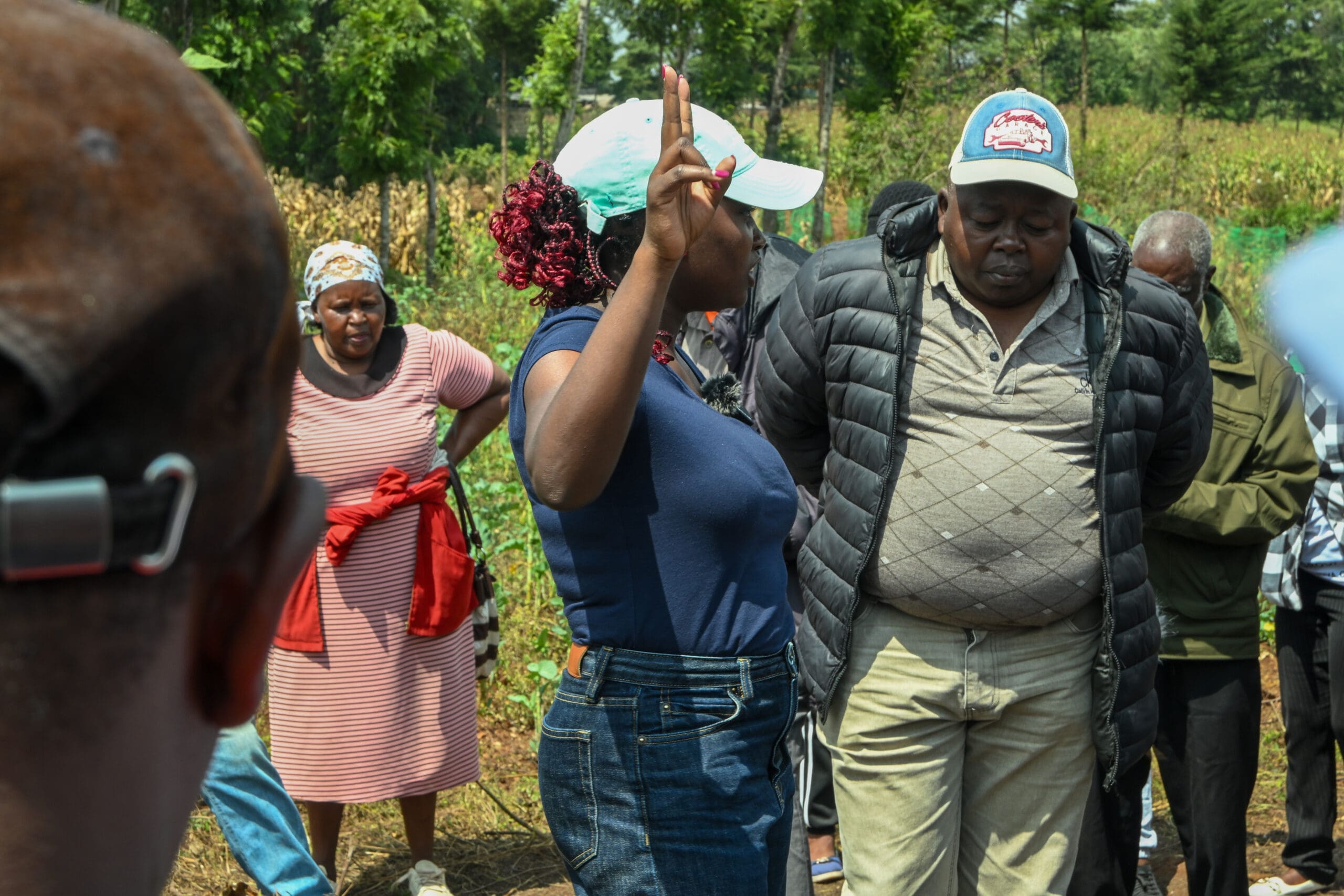
150 farmers across Kikuyu, Kabete and Limuru adapt regenerative practices — mulching, composting, farm-waste reuse and more.

Ecosystem Exchange

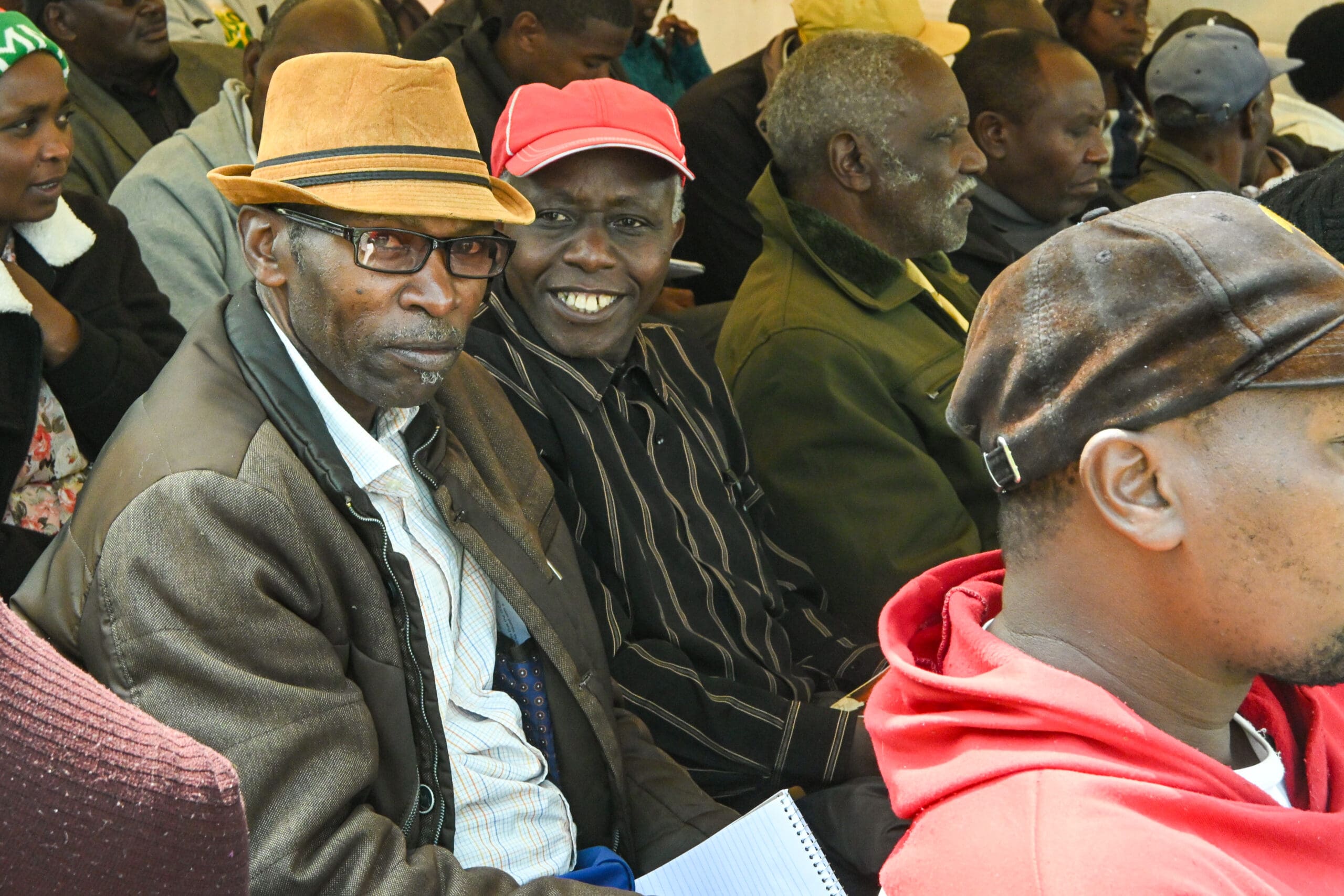
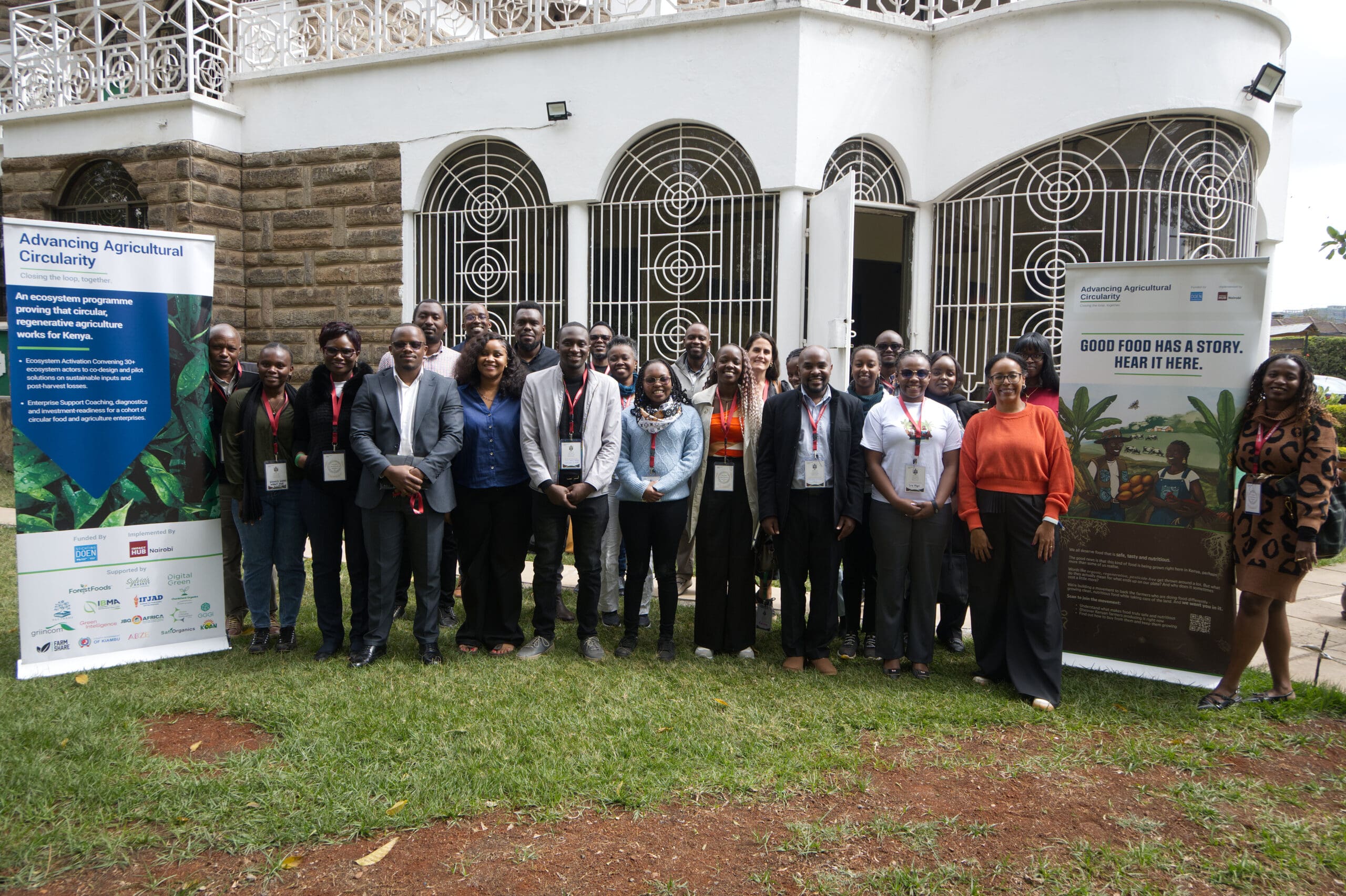
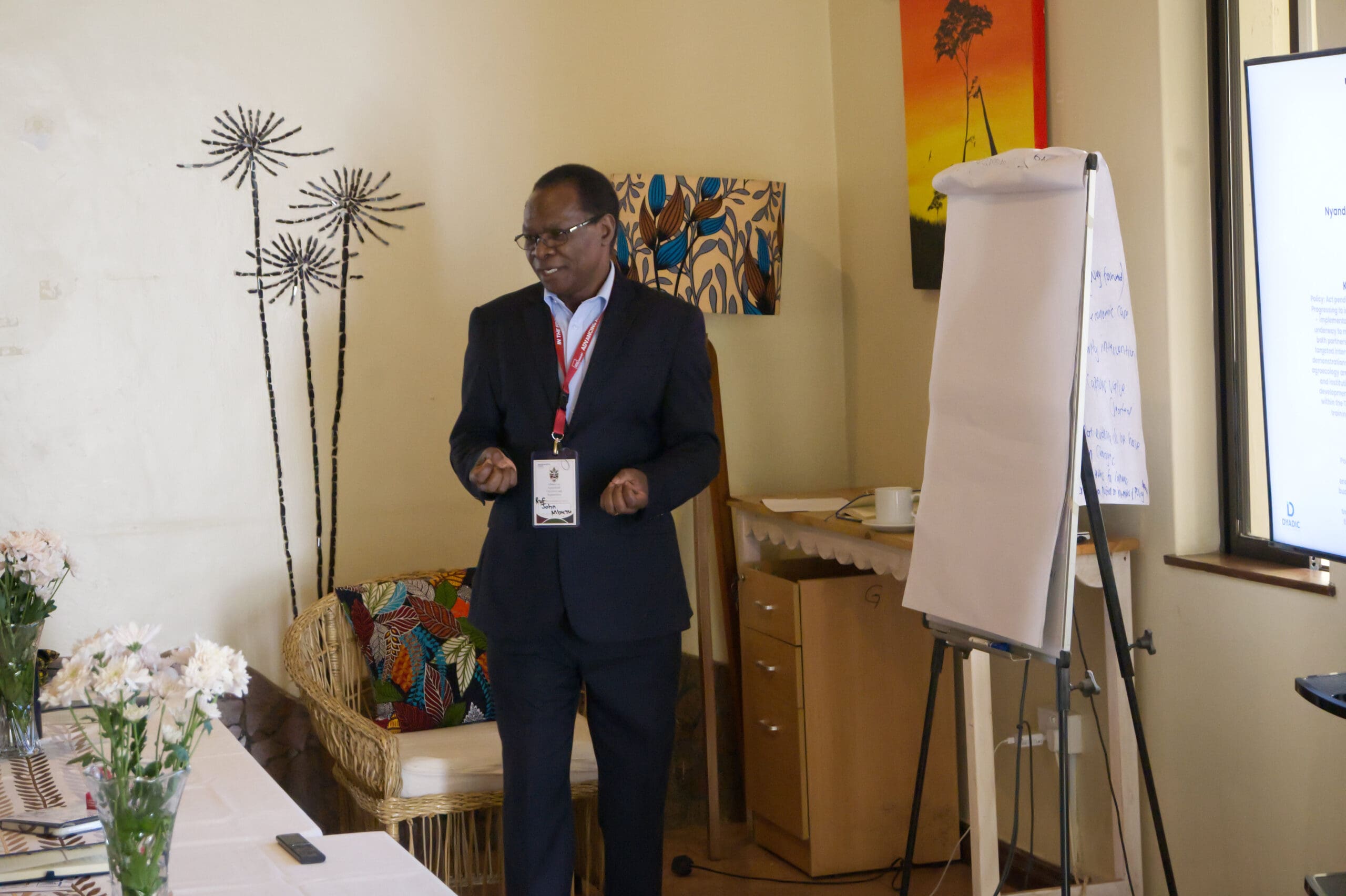
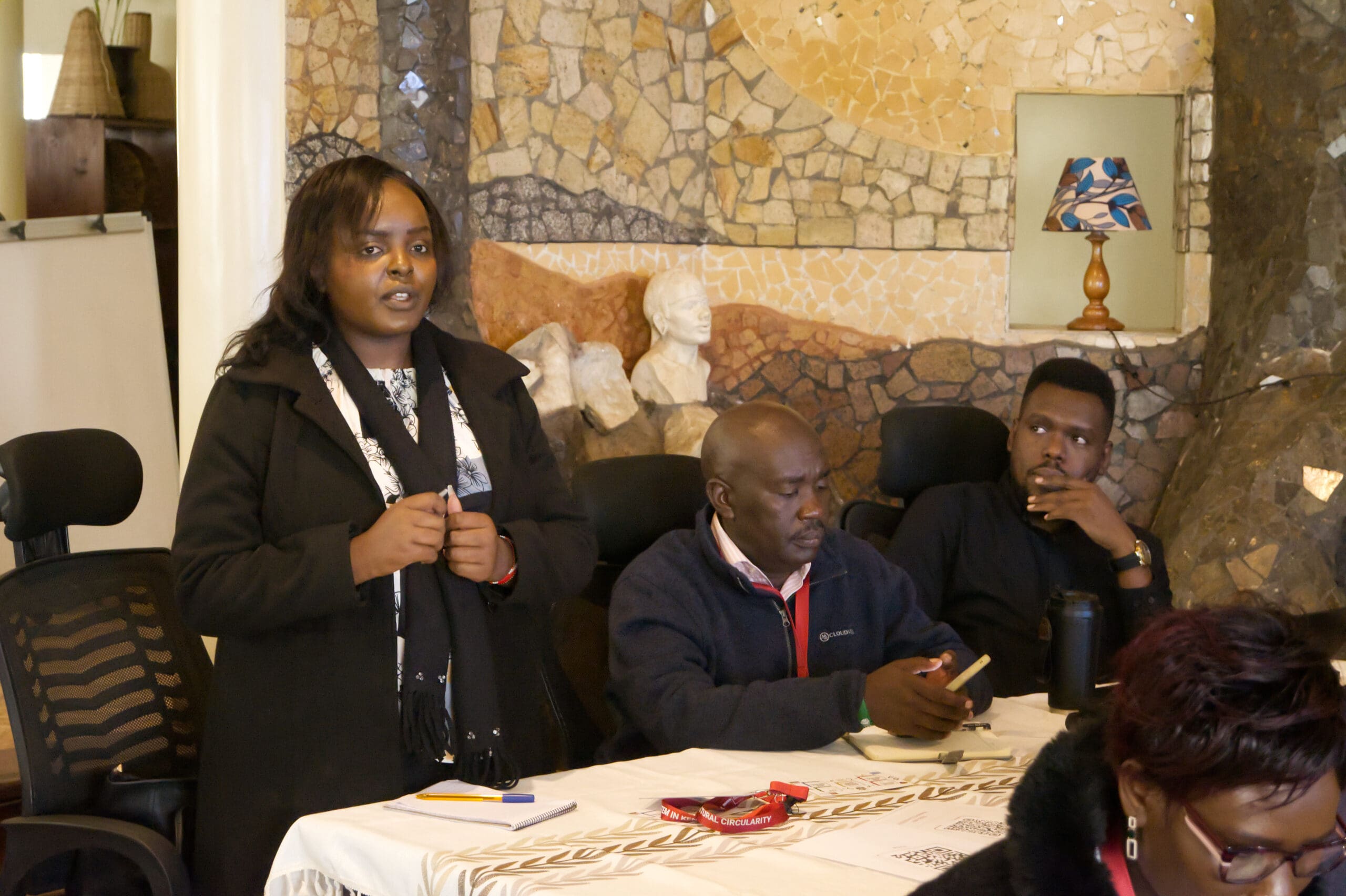
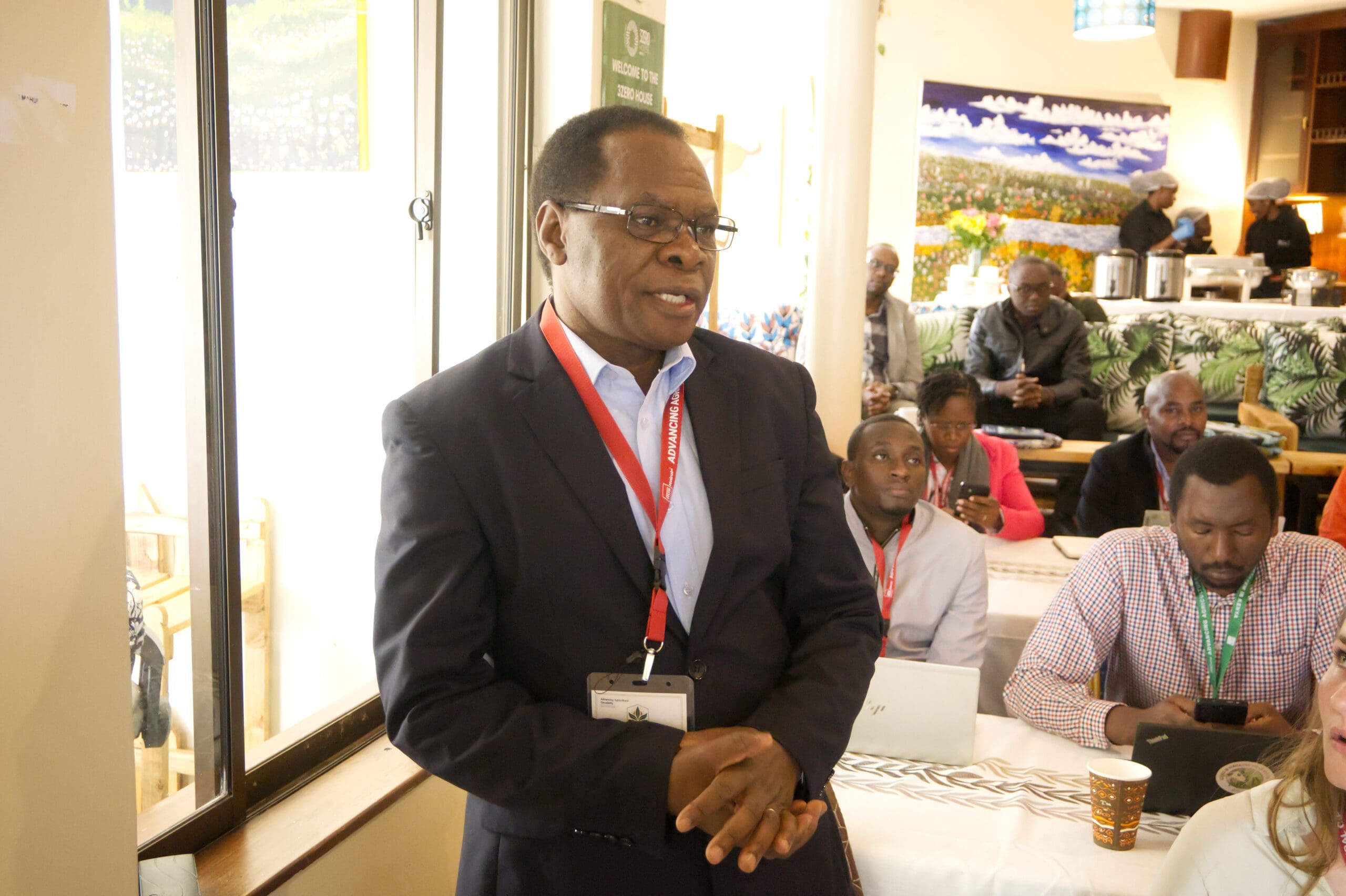
Working Group members, producers and partners compare evidence, build confidence and co-design the next phase together. 

Market Activation

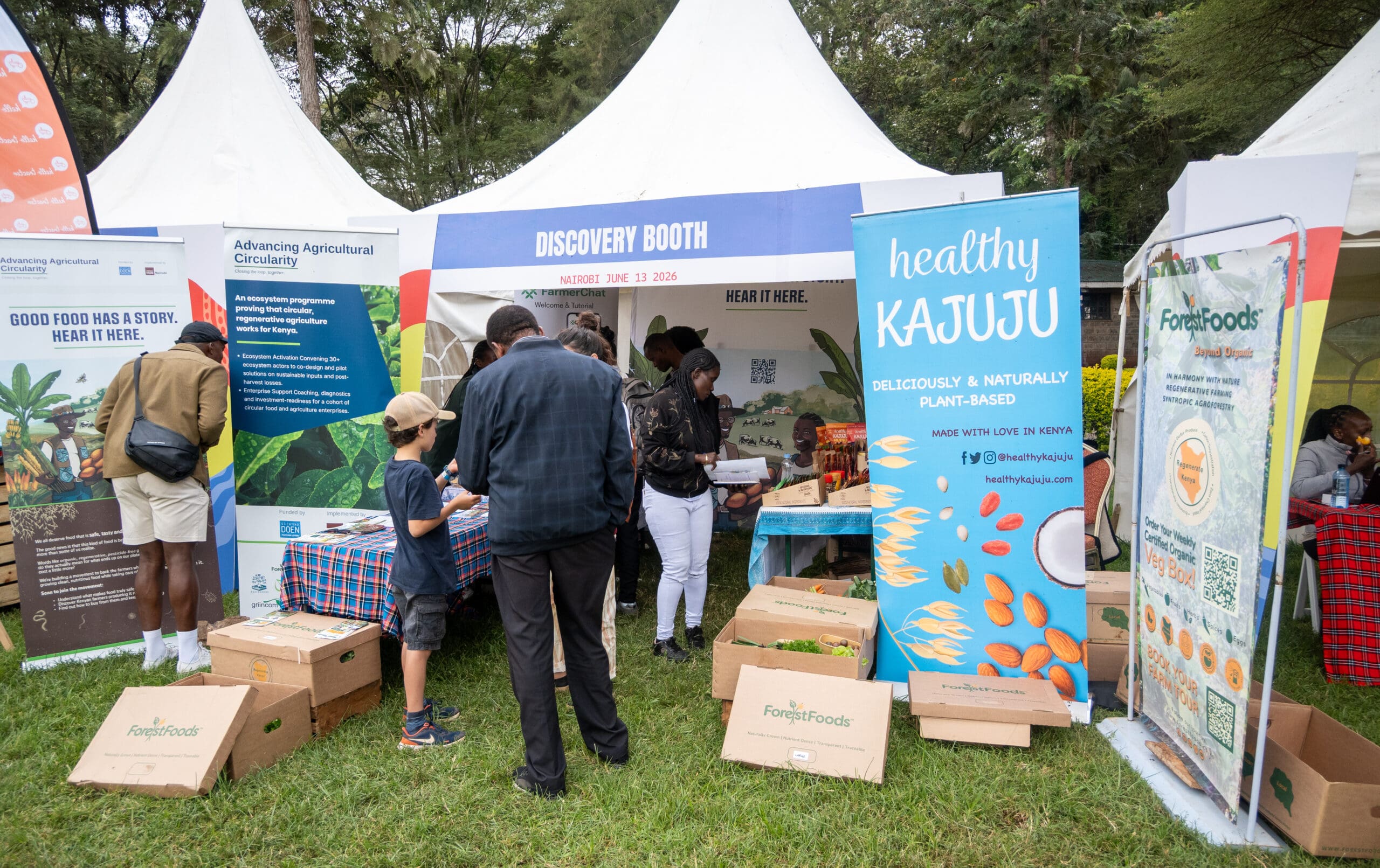
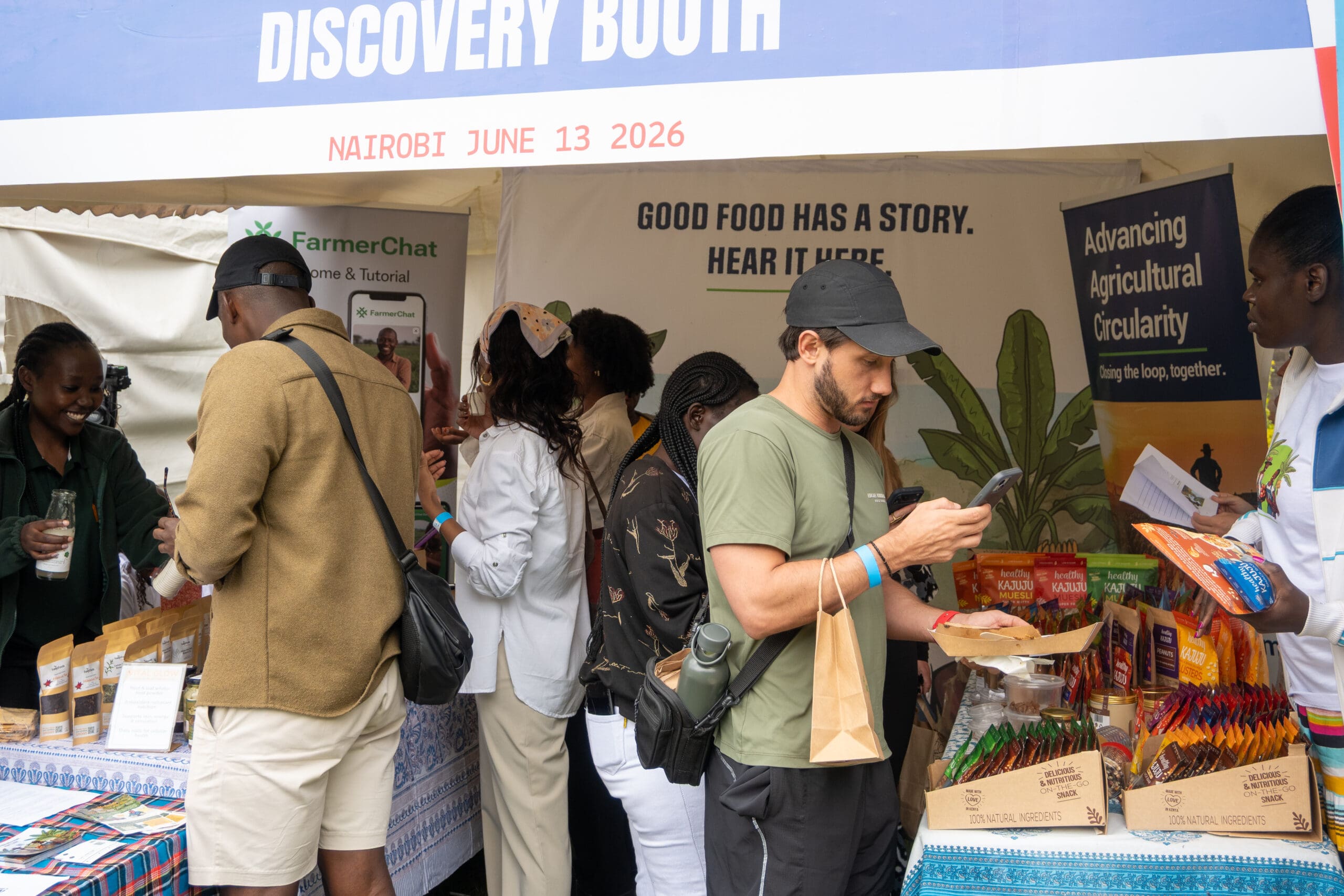
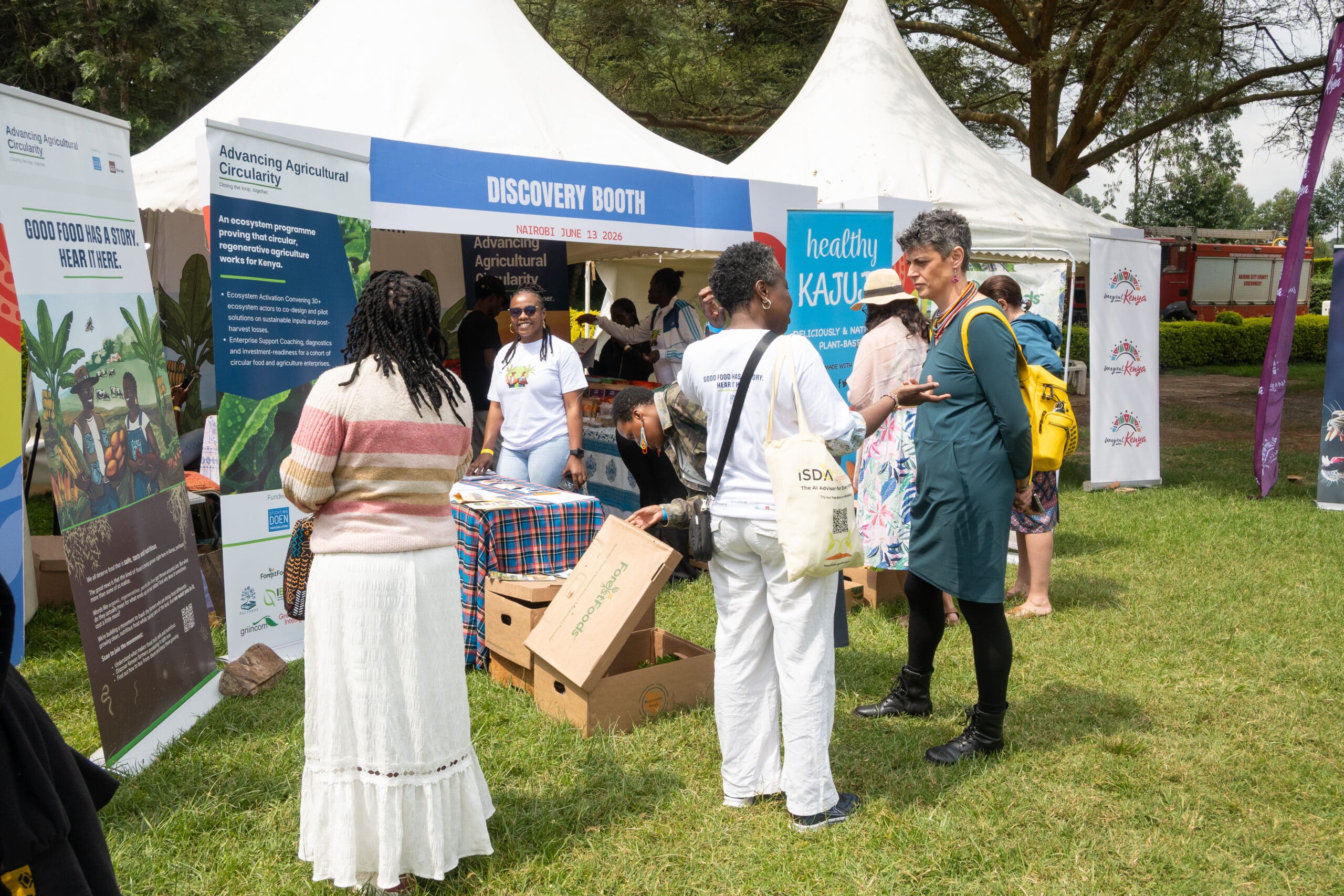
Regenerative products meet consumers at HereAfrica — testing trust, traceability and demand in a collective, consumer-facing environment.

THE JOURNEY SO FAR

Nov 2025

Sense-making

World Cafe identified circularity as a systems proble and mapped barries, enablers and actors

Jan 2026

Priority Definition

Capacity/research-to-practice and market access were selected as priority pathways. 

Feb - Mar 2026

Pilot Co-Design

Workstreams framed problems, generated concepts and assessed delivery options and risks.  

Apr 1-10 2026

Readiness Design

Hybrid models, users, geography, partners, activities and governance were advanced.

April 17 2026

Plenary Validation

Pilot A and Pilot B were approved for proof-of-concept implementation.  

Jun - Jul 2026

Implementation & Evidence

150 Farmers trained across Kikuyu, Kabete and Limuru; consumer activation generated the first outcome datasets. 

YEAR ONE AT A GLANCE

Farmer Training Outcomes

150 farmers trained across Kikuyu, Kabete and Limuru. The figures below are from 144 endline survey records, high participation, strong learning and widespread intention to apply.

0 %

Attended all or part of the training

0 %

Would recommend the training

1 %

Willing to apply new techniques

0 %

Rated useful or very useful

0

Recorded a specific action plan

0 %

Satisified or very satisified

"AAC created a coordinated process that converted ecosystem diagnosis into two implemented tests and generated early evidence of farmer learning, adoption readiness and consumer-market interest. "

- AAC Year One Impact and Learning Report

HOW CHANGE

The AAC Impact Pathway

Circular Agriculture in Kenya is costrained not only by technical knowledge, but by evidence, extension capacity, trust, coordination, markets and finance

1

Convene & Diagnose

2

Prioritize leverage points

3

Co-design The Pilots

4

Test and Measure

5

Adapt and Scale

MOST MEANINGFUL CHANGES

What Year One Achieved

01

From consultation to joint experimentation

A 38-member Working Group moved from individual perspectives to collective problem-solving, diagnosing, prioritizing, designing and implementing two pilots together.

03

From general interest to explicit application plans

141 of 142 valid respondents were willing to apply a new technique; 131 of 144 recorded a specific farm change, evidence of adoption readiness.

02

County extension pathway to farmer learning

Pilot A combined county-linked extension participation with practical learning and onward cohort of 150 farmers trained across Kikuyu, Kabete and Limuru within Kiambu County, Kenya.

04

Market Access as a collective trust problem

Pilot B reframed limited regenerative-product demand as requiring collective visibility, credible trust signals and coordinated storytelling.

AAC PARTNERS

Watch & Listen

AAC PROGRAMME STORIES 

The time is now. The way is together.

This report is dedicated to all the Impact Makers who show us that a better future is not only possible but already in progress.

This year we celebrate 20 years of the Impact Hub Network: from one community in 2005 to a global movement of 120+ locations and 500,000 Impact Makers today.


Our anniversary comes at a crucial moment. From climate breakdown to deepening inequalities, global challenges are intensifying and the need for innovation has never been greater. Impact entrepreneurship offers pathways forward- creating solutions where others see barriers. 


By working with companies on ESG, with public institutions on social innovation, and with entrepreneurs on locally rooted solutions, we demonstrate how co-creation delivers lasting change.


This report looks back on 2024–2025: our global, local, and translocal programmes, our collective impact, and the steps we are taking toward regenerative futures. It is a record of progress, and an invitation to join us in shaping what comes next.

Collaboration paths for impact

Our paths to impact show how we respond to a world of rising challenges with concrete change. They highlight where we focus our energy: working with companies, public institutions, entrepreneurs, and our global Network.


Each path is proof that collaboration is the only way to move forward- embedding innovation into the way we work and govern. In the following pages, you’ll find how these routes come to life, driving impact locally, globally, and across our communities.

Scaling impact ideas that matter

From climate action to social justice, today’s challenges demand innovation and collective action. Across 68 countries, we connect entrepreneurs with corporate and public partners to build ecosystems where solutions grow and scale. Together, we unlock investment, generate employment, and prove how bold local ideas drive global change.

Outcomes

150 farmers trained across Kikuyu, Kabete and Limuru. The figures below are from 144 endline survey records, high participation Strong Leanring and widespread intention to apply

99.3%

Attended all or part of the trainings

99.3%

Rated useful or very useful

99.3%

Willing to Apply The training

created per year for an inclusive economy

100%

Would Recommend The Training

91.0%

Recorded a specific action plan

Corporate Sustainable Innovation Trends  

A new wave of sustainable business innovation is here. Discover how leaders like IKEA, adidas, Bayer Foundation, and Tencent are using impact partnerships to fuel growth, unlock new markets, and build resilient supply chains.

What’s inside?

  • Five key trends driving the shift from CSR to strategy
  • Real-world examples from Early Movers
  • Replicable strategies your team can apply today
  • A quick checklist to assess your partnership readiness

Top SDGs in action 

Results from the 150 farmer Pilot A cohort in Kiambu Understanding was strongest on production topics: market access and post harvest remain areas for year Two. Baseline Challenges use 145 survey record

Start an Impact Hub in your city

Impact Hubs are place-based innovation spaces for Impact Makers to cultivate ideas that drive systemic change. We foster meaningful collaboration between key players in corporate and institutional sectors, support impact enterprises, and build the necessary capabilities to promote sustainable development.


Starting an Impact Hub means joining a community of visionary people committed to extraordinary change. It is a commitment to build ecosystems of impact that are locally rooted, globally connected, and dedicated to shaping a just and sustainable future.

FUNDERS AND ECOSYSTEM OBSERVERS

Highlight Video

Join The AAC Commuity! 

AAC is convening agribusinesses, farmers, financiers, policymakers and ecosystem enabler to co-design practical solutions for circular agriculature in Kenya. 

Impact in your inbox!

Sign up for our free global membership perks, incredible opportunities and monthly inspiring updates!